
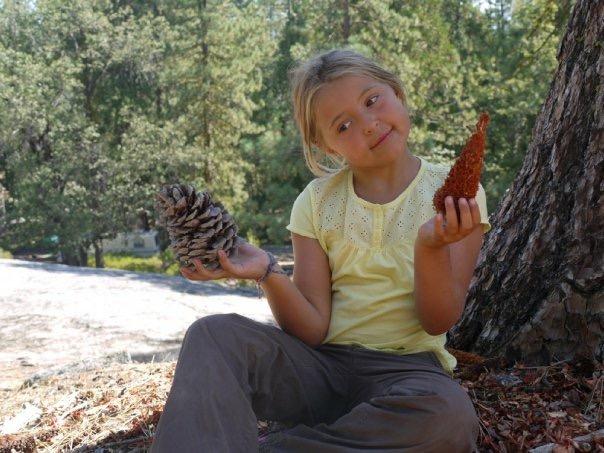
Curiosity in Nature
In the end of Mary Oliver’s poem, The Moth, The Mountain, The River, she writes “strange questions, yet I have spent worthwhile time with them. And I suggest them to you also, that your spirit grow in curiosity, that your life be richer than it is, that you bow to the earth as you feel how it actually is, that we—so clever, and ambitious, and selfish, and unrestrained—are only one design of the moving, the vivacious many.” Her call to curiosity is one of my favorite lines in this poem.
Curiosity is an important part of being human. It helps us learn, explore, adjust to change, and grow. Nature encourages curiosity because it gives us so many things to wonder about: Why do birds migrate? How does a flower bloom after rain? What animal left tracks in the mud? When people explore nature with curiosity, they gain more than knowledge. They sharpen their minds, stay active, lower stress, and feel more connected to the world around them.
Curiosity is rooted in the brain’s reward system. According to the National Institutes of Health, curiosity activates dopamine pathways, making the pursuit of knowledge feel as rewarding as tangible incentives such as food or money. When people encounter something unfamiliar, the brain is motivated to seek answers, encouraging further exploration and learning. In this way, curiosity turns observation into engagement and turns ordinary moments outdoors into meaningful opportunities for discovery.
Throughout history, curiosity has helped people survive and adjust to change. Early humans explored new places, learned which plants were safe to eat, tracked animals, made tools, and watched the seasons. By asking questions, testing ideas, observing closely, and remembering what they learned, people could find food, avoid danger, and live in new environments. That same curiosity still helps us today. It supports science, new ideas, creativity, and problem-solving. It pushes people to look carefully, question what they think they know, and consider new possibilities. In nature, curiosity can start with something simple like watching clouds move, listening to a bird, or wondering why one plant grows well while another does not.
A connection to nature is the feeling that we are close to, value, and belong in the natural world. Curiosity strengthens this connection by helping us pay closer attention. When someone studies the shape of a seedpod, listens to wind in the trees, or watches insects near a flower, nature becomes more than a background view. It becomes a living world that is worth learning about and protecting.
Together, curiosity and a connection to nature can encourage people to take care of the environment. People who feel close to nature are often more willing to protect local habitats and wildlife, conserve natural resources, and reduce waste. Curiosity also helps people see that humans are part of nature and depend on its many connected systems.
Building curiosity about nature does not require special gear or a trip to the wilderness. It can start with a short walk, time in a garden, or watching the clouds. The goal is not to have every answer right away, but to notice what is around you and ask questions. Curiosity can turn everyday outdoor moments into chances to learn and feel connected to nature. Adults can encourage children’s curiosity by asking questions instead of giving quick answers. Simple questions like “What do you notice?” “What do you think happened here?” or “How could we find out?” help children observe closely, be patient, and explore with others. This approach builds their confidence as learners and helps families and communities spend more meaningful time outdoors.
Mary Oliver not only encouraged curiosity in nature, but she also inspired us to look toward the incredible mysteries that nature holds. In another of her poems called Mysteries, Yes, she writes “Let me keep my distance, always, from those who think they have the answers. Let me keep company always with those who say 'Look!' and laugh in astonishment and bow their heads.” If you are looking for company who likes to look and “laugh in astonishment” at the outdoors and nature, come join us in celebrating 20 years of curiosity by joining us on October 24th at our Community Celebration.